For small and mid-sized shippers
Make routine freight more dependable.
Logistics agents designed around the day-to-day coordination that keeps shipments moving and delivery problems from becoming the whole day.
A planned service concept. The promise is practical: clearer ownership, faster updates, fewer avoidable surprises.

The desired outcome
Fewer avoidable surprises between pickup and delivery.
The work is focused on the space between a shipment plan and the reality of getting it delivered. Less chasing. More clarity about what happens next.
Talk through the pressure point01
Clear ownership
Know who acts next, what they own, and when the next update is due.
02
Faster updates
Keep carrier, shipment, and delivery information moving in one practical rhythm.
03
Fewer disruptions
Surface exceptions early enough to protect the day instead of chasing it.
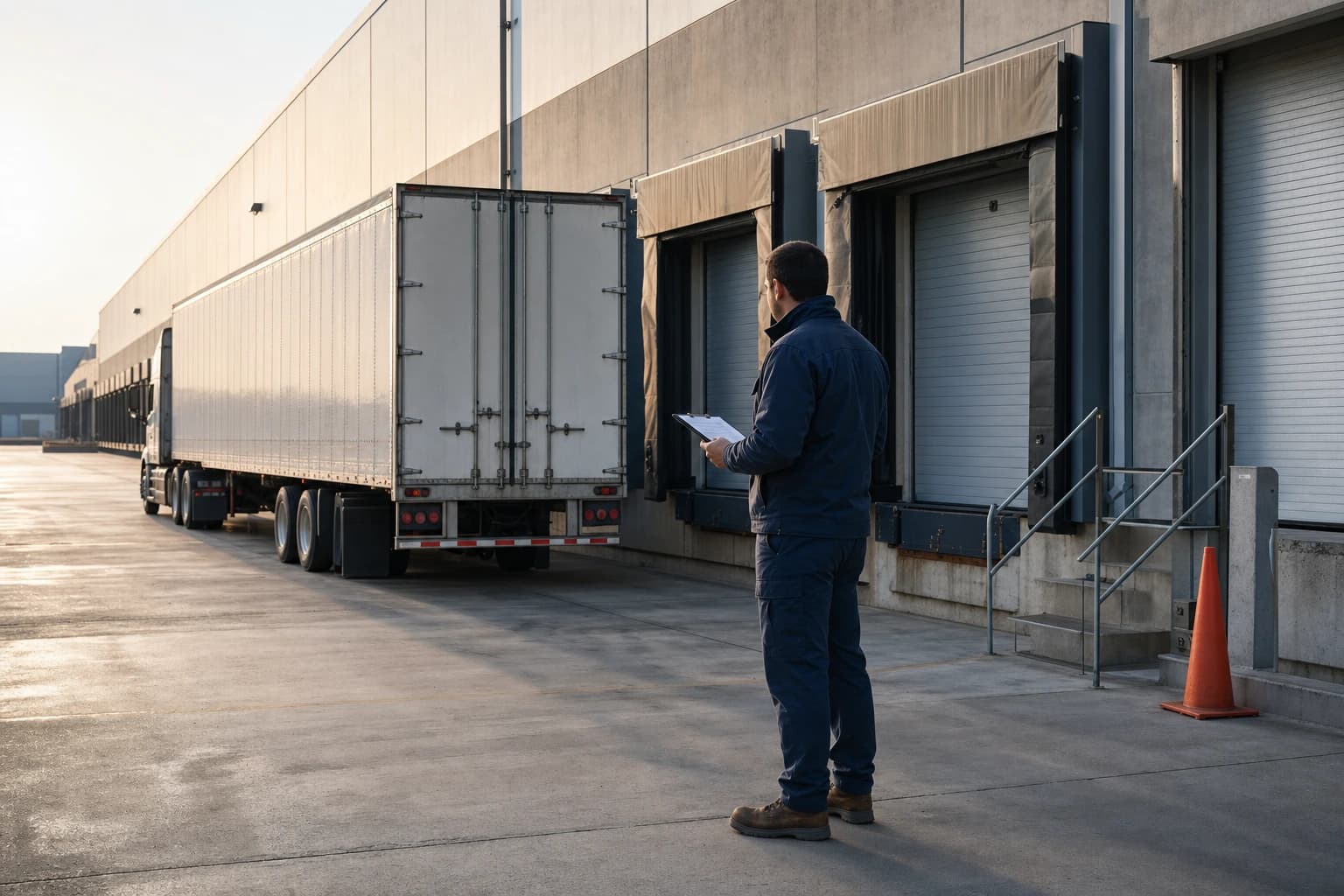
REAL OPERATIONS / REAL HANDOFFS02
Built around the handoff
A focused layer between the plan and the problem.
The point is not another dashboard to watch. It is a dependable operational partner that keeps the situation, the owner, and the deadline visible.
SITUATION / OWNER / DEADLINE

THE WORK BEHIND THE WORK03
Start a conversation
Bring the lane that needs steadier hands.
Start with the recurring freight pattern, the place coordination breaks down, and what a more dependable day would make possible.
Start with the briefA useful first brief
- 01The recurring lane or freight pattern
- 02Where coordination starts to break down
- 03What a more dependable day would change
No deck required. Just the operational detail that is putting pressure on the team.